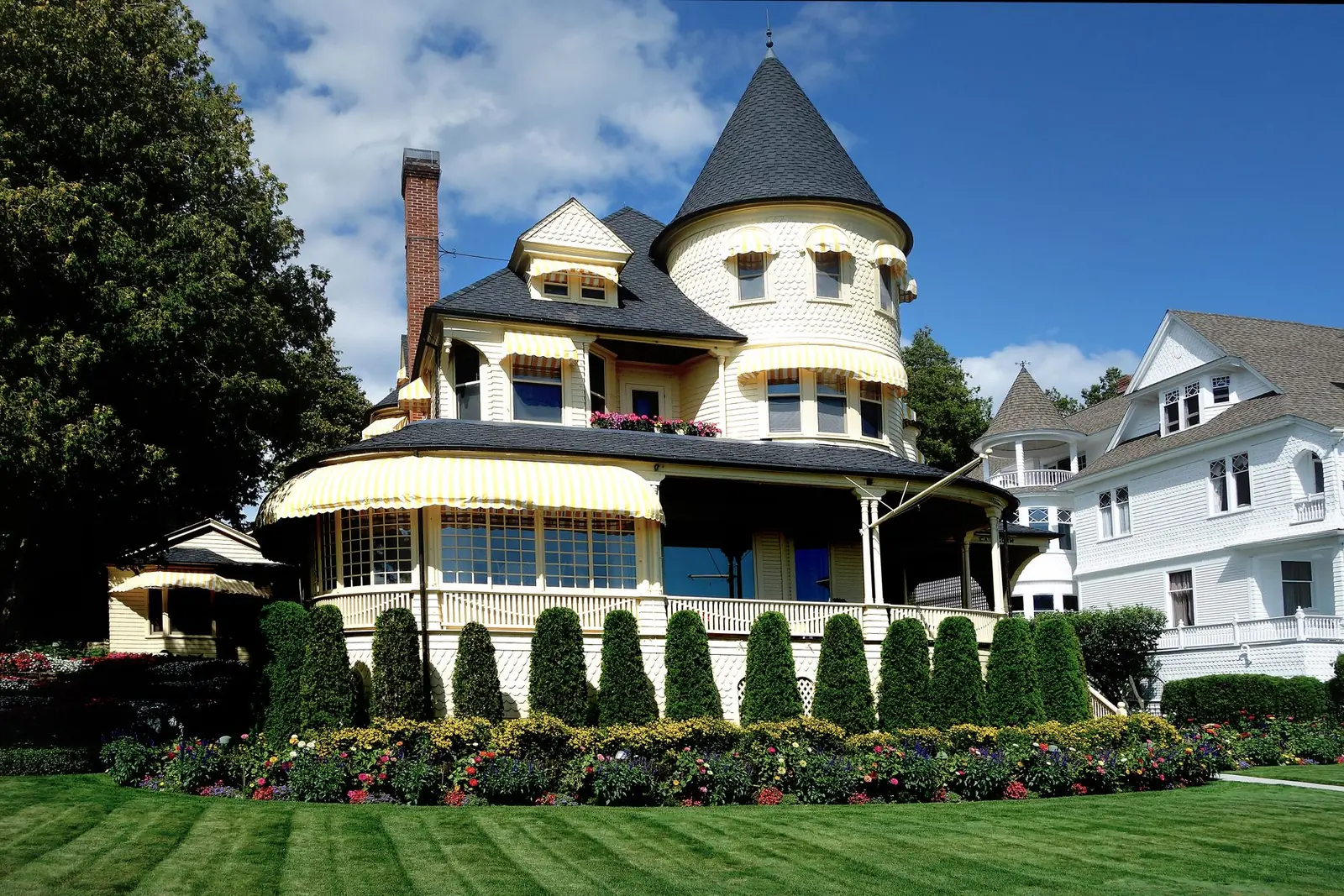
What goes wrong with chimneys on old New Jersey houses?
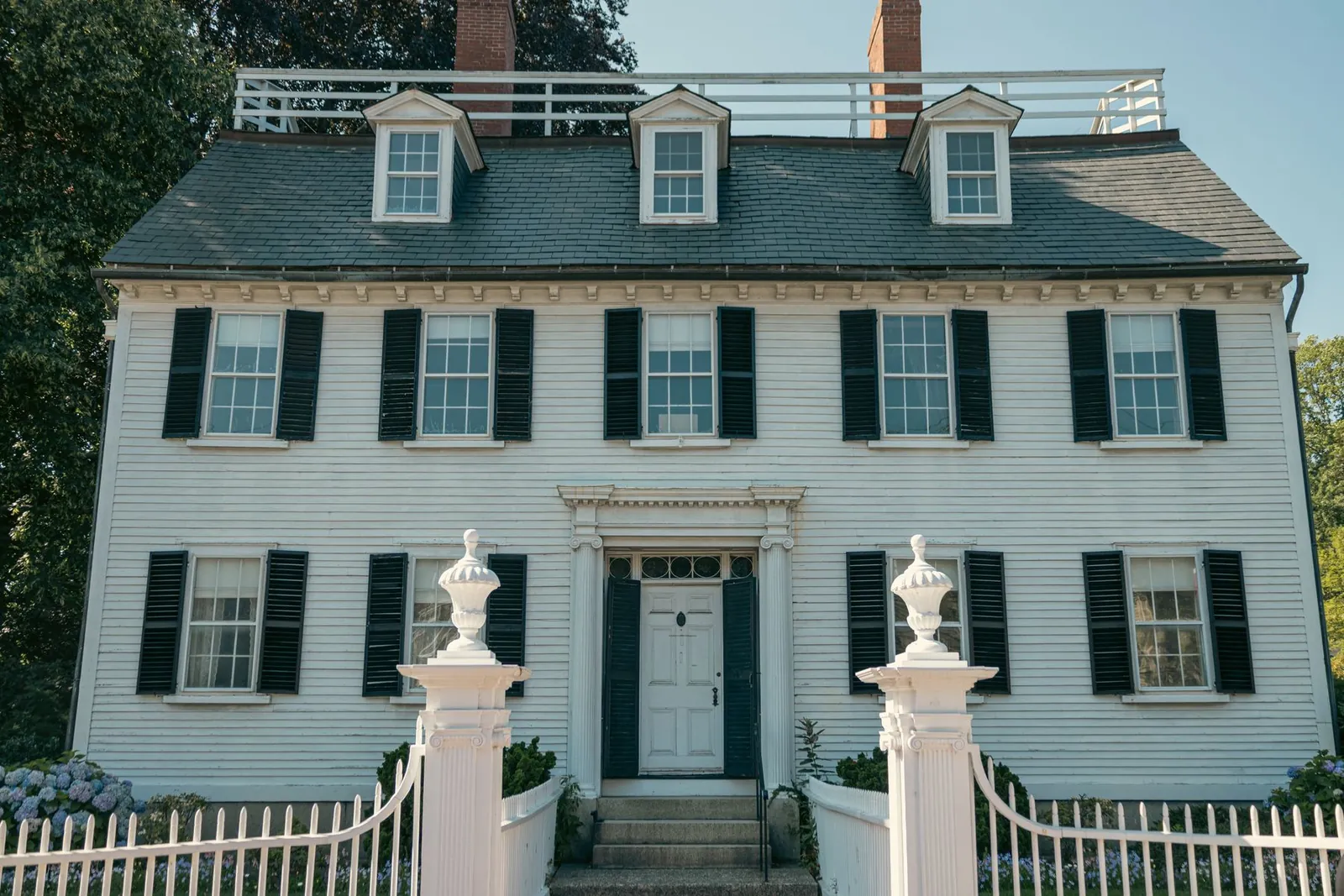
In houses built before 1940, the usual problems are worn mortar joints, spalled brick, cracked crowns, and flues that are unlined or lined with cracked clay tile. In Montclair, like-for-like masonry repairs don't need historic approval, but visible changes in a district or landmark do.
New Jersey Chimney Co. · October 16, 2026
How old the houses really are
Statewide, 17.4% of New Jersey homes were built before 1940, according to the Census Bureau's 2024 American Community Survey. In some towns it is far higher. Six in ten Montclair homes (59.4%) predate 1940, and more than half of Maplewood's (55.5%). Collingswood is at 48.9%, Ridgewood 37.9%, Westfield 37.3%, Summit 33.3% and Red Bank 32.4%. Essex County as a whole is at 30.3%, the highest of the 21 counties.
A chimney on one of these houses has been through eighty or more winters. Most have been patched along the way, some well and some not. They are generally solid and repairable, but they age in a predictable order.
What wears out first
When we inspect an older chimney, these are the things we look at closest, roughly in the order they tend to fail.
- Mortar joints: mortar is meant to wear before the brick does, and after enough decades it has.
- Spalled brick: faces flaking or popping off where water got in and froze.
- The crown: cracked or crumbling, letting water straight into the top of the stack.
- The flue: no liner at all, or clay tiles that are cracked or have open joints.
- The smoke chamber and firebox: rough, open joints above the damper and worn firebrick.
- The damper: rusted, warped or stuck open.
The fire code on unlined chimneys
Many old chimneys still serve a boiler or water heater even if the fireplace is never lit. New Jersey's fire code is direct about the dangerous case: a masonry chimney found to have no flue liner and open mortar joints that would let smoke or gases into the building, or that is cracked badly enough to be dangerous, must be repaired or relined with a listed liner system.
And when that boiler or water heater is replaced, the state's F-370 chimney verification makes a professional confirm the chimney is lined and sized for the new appliance. On old houses, this is where a lot of relining starts.
Repair, rebuild or reline
Most old chimneys need targeted repair, not a rebuild. Typical New Jersey ranges: repointing $500–$2,500, spalled brick replacement $1,000–$3,500, crown work $600–$2,200, and smoke chamber parging $800–$2,000. When the top of the stack is too far gone, rebuilding the top few courses typically runs $1,000–$3,500, and a full rebuild above the roofline $5,000–$15,000 or more.
For the flue, a stainless liner typically runs $1,500–$5,000, a cast-in-place liner $2,000–$7,000, and a liner for a furnace or water heater $625–$2,250. On old brick, the mortar used for repointing should be softer than the brick around it, so the joint gives way over time instead of the brick face. That is worth asking any mason about.
When Montclair's historic commission gets involved
Montclair's Historic Preservation Commission requires a Certificate of Appropriateness for exterior additions, alterations, replacements and demolition on local landmarks and in historic districts. Its own list of exempt work includes interior work, changes not visible to the public, roofing maintenance with no change in design or appearance, masonry maintenance with no change, and structural repairs that don't alter the exterior.
Chimneys are not named on that list, so here is how we read it: like-for-like repointing or crown repair should be exempt, while a rebuild that changes the chimney's height, brick or profile, or taking a visible chimney down, likely needs a certificate. Other towns, Cape May among them, run their own historic commissions. We check before rebuilding a visible chimney in a district.
Why the suburbs freeze harder than the city
Old-house towns in Essex, Union and Bergen counties sit inland from the airports where most weather numbers come from. NOAA's 1991–2020 normals show about 108 freezing nights a year at Caldwell, in Essex County, against about 80 at Newark's airport. Every one of those nights is a chance for water sitting in an old mortar joint or a cracked crown to freeze and push the masonry apart.
That is why we look hardest at the top of an old chimney, above the roofline, where it is most exposed and hardest for an owner to see. A stack that looks fine from the sidewalk can have loose top courses and a crown that has been letting water in for years. Our inspection is free, with photos of the top so you can see it for yourself.
FAQ
More answers
Can I take down an old chimney I don't use in Montclair?
If the house is a landmark or in a historic district and the chimney is visible, removal is a visible change and likely needs a Certificate of Appropriateness. Ask the commission before you plan it.
Should I reline if I never use the fireplace?
The fireplace flue can be sealed and capped instead. But if a boiler or water heater vents into the chimney, that flue has to be sound and properly lined for it.
Does every old chimney need rebuilding?
No. Most need repointing, a crown or some brick replaced. A rebuild is for stacks that are leaning, loose or crumbling at the top. The free inspection shows which you have, with photos.
Keep reading
More from the blog
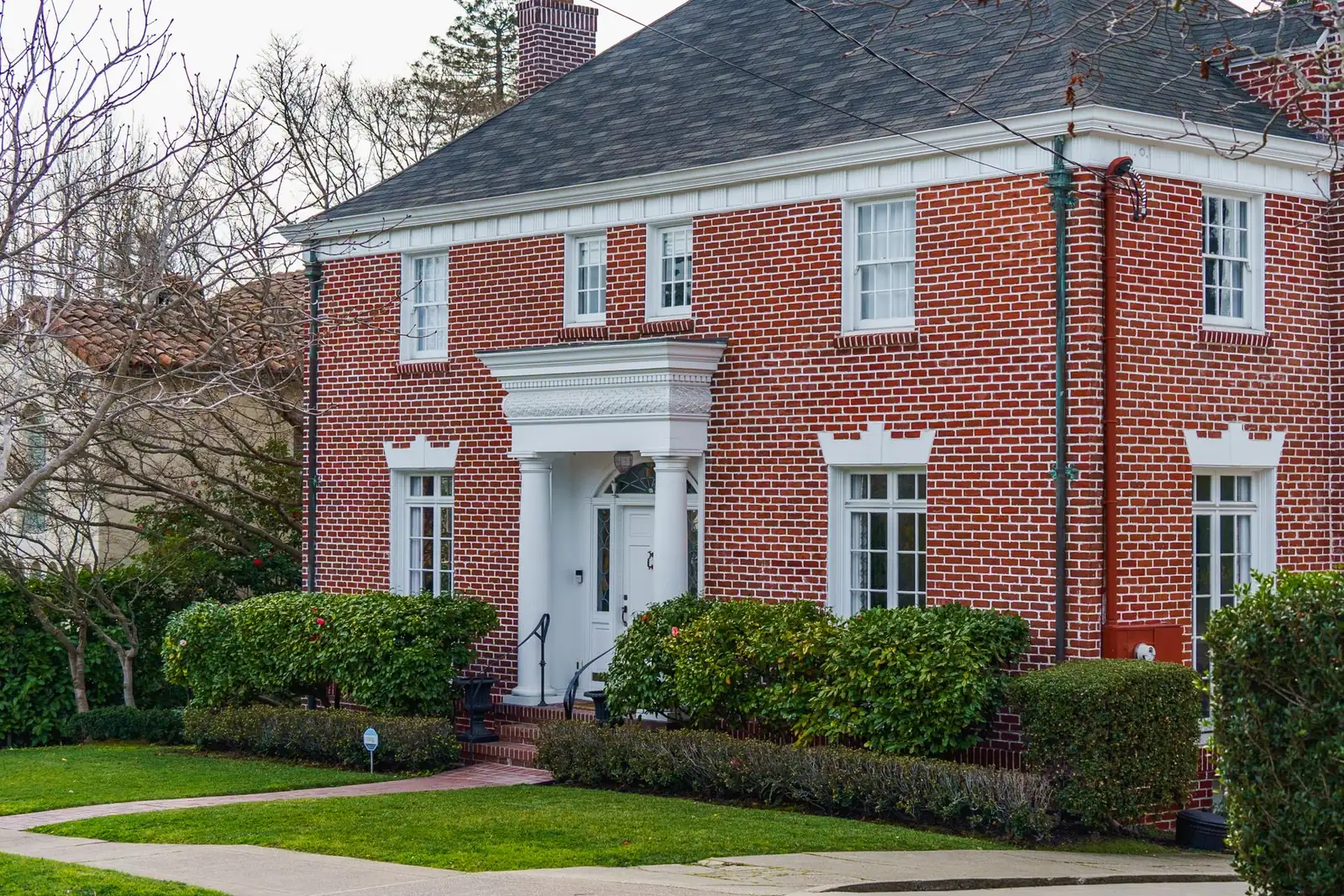 Does New Jersey require a chimney inspection to sell a house?No. New Jersey's sale certificate covers smoke alarms, CO alarms and a fire extinguisher, not the chimney. What sellers and buyers should do instead.
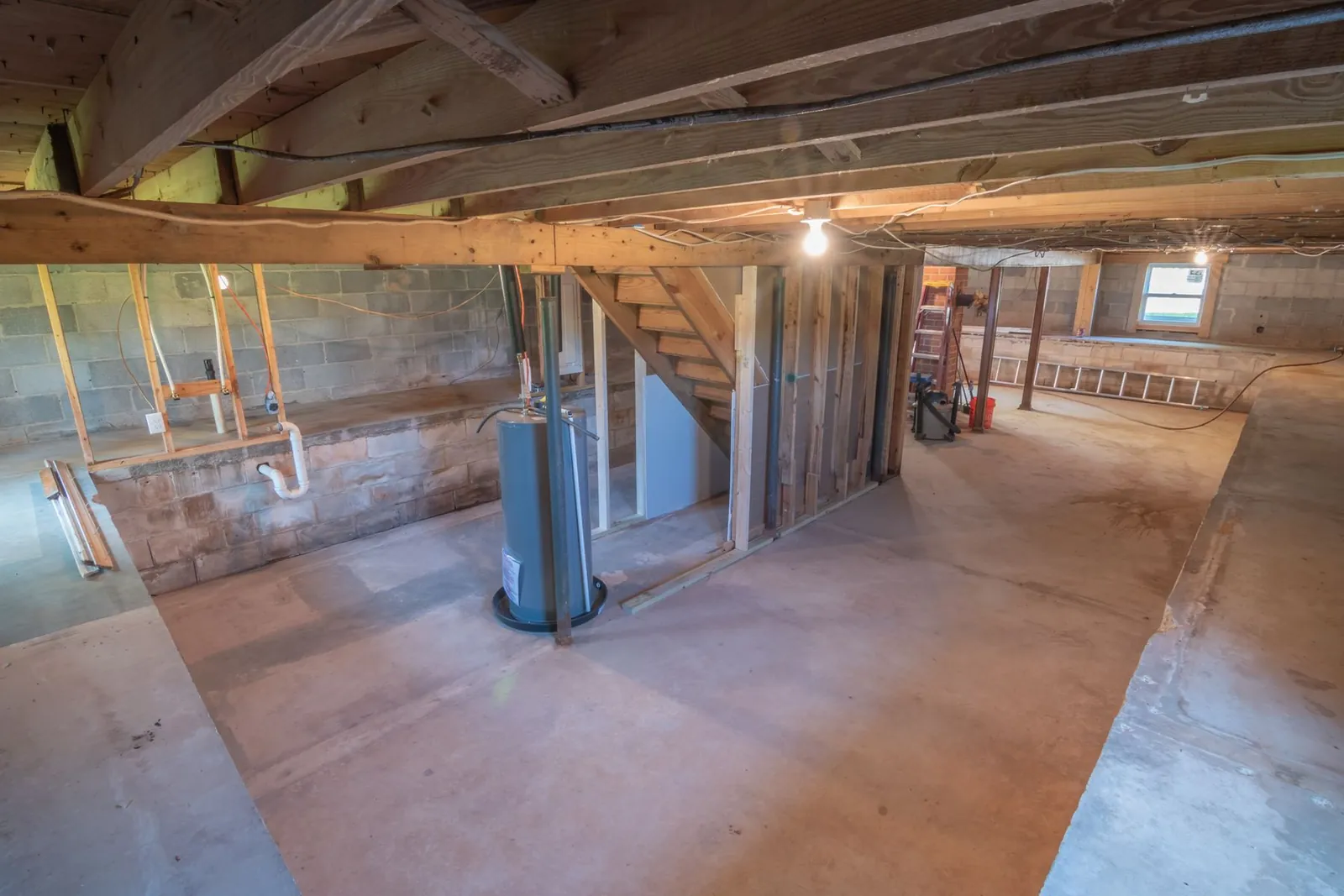 What is the New Jersey F-370 chimney verification?The F-370 is New Jersey's chimney check for a new furnace, boiler or water heater. Who can sign it, when it's due, and what happens if the flue fails.
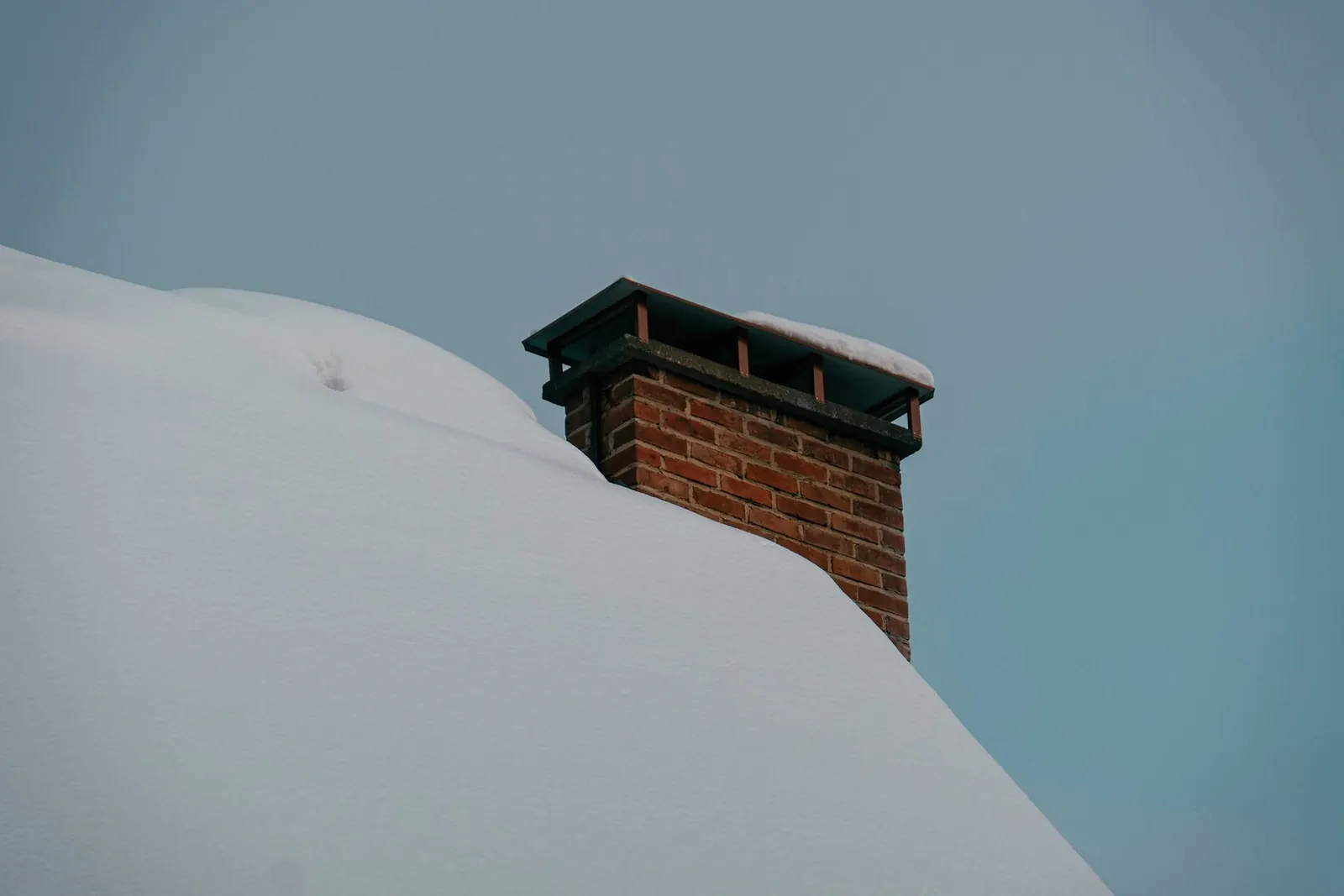 Do I need a chimney liner when I convert from oil to gas in New Jersey?Switching from oil to gas in New Jersey brings an F-370 chimney check. When the old flue still works, when it needs a liner, and what liners typically cost.
Book online
Pick a day. We'll bring a ladder.
Free inspection in a 3-hour window: 8 to 11, 11 to 2, or 2 to 5. We call to confirm before we arrive.