Does New Jersey require a chimney inspection to sell a house?
No. Before a one- or two-family home is sold or leased, New Jersey requires a smoke alarm, carbon monoxide alarm and fire extinguisher certificate (N.J.A.C. 5:70-2.3). That rule does not mention chimneys. Buyers, their home inspectors and insurers are the ones who look at the chimney.
New Jersey Chimney Co. · October 11, 2026
What the state actually requires at closing
New Jersey has one fire-safety step that every seller of a one- or two-family home has to clear. Under N.J.A.C. 5:70-2.3, before the house is sold or leased, the owner or agent must apply for a certificate of smoke alarm, carbon monoxide alarm and portable fire extinguisher compliance. People in the business shorten it to CSACMAPFEC, or simply the smoke certificate. You apply through your town, and the fire official checks the house before issuing it.
The details are in N.J.A.C. 5:70-4.19. Smoke alarms are needed on every level and outside each sleeping area. Since January 1, 2019, battery-only smoke alarms have to be the 10-year sealed type, and a house that was built with hard-wired alarms can't swap them for battery units. Carbon monoxide alarms are required in every dwelling unless the building has no fuel-burning device and no attached garage, and they go in the immediate vicinity of the sleeping areas. The fire extinguisher must have been serviced and tagged within the past 12 months by a contractor approved by the Division of Fire Safety, or you show a receipt for a new one, and the manual is left for the next owner.
That is the whole list. We read the rule text itself, and there is nothing in it about chimneys, flues, fireplaces or a chimney inspection.
Where the chimney rumor comes from
Search for this question and you will find cost guides and company websites saying New Jersey requires a specific level of chimney inspection when a house changes hands. Fixr's inspection cost page says so, and so do some chimney companies. We could not find that requirement anywhere in New Jersey's code. Industry groups do recommend a closer look at a chimney when a property is sold, and that is sensible advice, but it is a recommendation, not state law.
So if someone tells a seller that the closing cannot happen without a chimney certificate, ask them which rule they mean. The smoke certificate is required. A chimney report is something the buyer's side may ask for.
Why the chimney comes up anyway
Even without a state rule, the chimney gets attention in most sales. Home inspectors routinely note cracked crowns, missing caps, loose flashing and stained ceilings, and they often recommend a chimney specialist. Insurers sometimes ask about wood stoves and fireplaces. And the fireplace matters for the smoke certificate in one indirect way: the state's Bulletin 99-3 treats a gas fireplace as a fuel-burning appliance, so a home with one needs carbon monoxide alarms near the bedrooms.
Real buyers on the City-Data New Jersey forum show how this plays out. In one 2015 thread, a seller first offered a $1,000 credit and a buyer in another case negotiated a $5,000 credit on a $10,000 chimney estimate. In a 2017 thread, a Matawan buyer under contract was handed an $11,885 repair estimate for a small ranch. None of these were required by the state. They came from the buyer's own inspection, and they changed the deal anyway.
If you are selling
A chimney surprise late in a sale is expensive because you are negotiating under a deadline. Finding out first gives you the choice of fixing a small problem cheaply or pricing it in.
- Check that you have carbon monoxide alarms near the sleeping areas if the house has any gas, oil or wood appliance, or an attached garage.
- Have the chimney looked at before you list. Our inspection is free and comes with photos and a written price.
- Fix the cheap, visible items: a missing cap typically runs $250–$850 and flashing $300–$1,800.
- If you replaced a furnace, boiler or water heater, keep the permit papers, including the F-370 chimney verification.
If you are buying
Book the chimney check inside your inspection period, not after it. Ask for an itemized estimate with photos of each defect so you can tell which lines are about safety, which keep water out and which are about looks. Paid chimney inspections in New Jersey are commonly priced from about $99 to $500 on the websites we reviewed; ours is free, and a camera scan, when a hidden problem is suspected, is priced at the inspection before any work.
Then decide between three paths: the seller makes the repair, you take a credit and choose your own contractor, or you plan not to use the fireplace and fix only what protects the house and the heating flue. We work Sunday through Friday in three-hour windows and call to confirm.
FAQ
More answers
Does a chimney certification expire in New Jersey?
There is no state chimney certificate at sale, so there is no state expiry date. Some companies say their own certification is good for a year. That is a company policy, not a New Jersey rule.
Do I need a carbon monoxide alarm for the smoke certificate if I only have a gas fireplace?
Yes. The state's Bulletin 99-3 treats a gas fireplace as a fuel-burning appliance, and N.J.A.C. 5:70-4.19 requires carbon monoxide alarms near the sleeping areas in any home with one.
Who pays for chimney repairs found during a sale?
Nothing in state law decides it. It is part of the negotiation: the seller repairs, gives a credit, or the price is adjusted. An itemized estimate with photos makes that conversation easier.
Keep reading
More from the blog
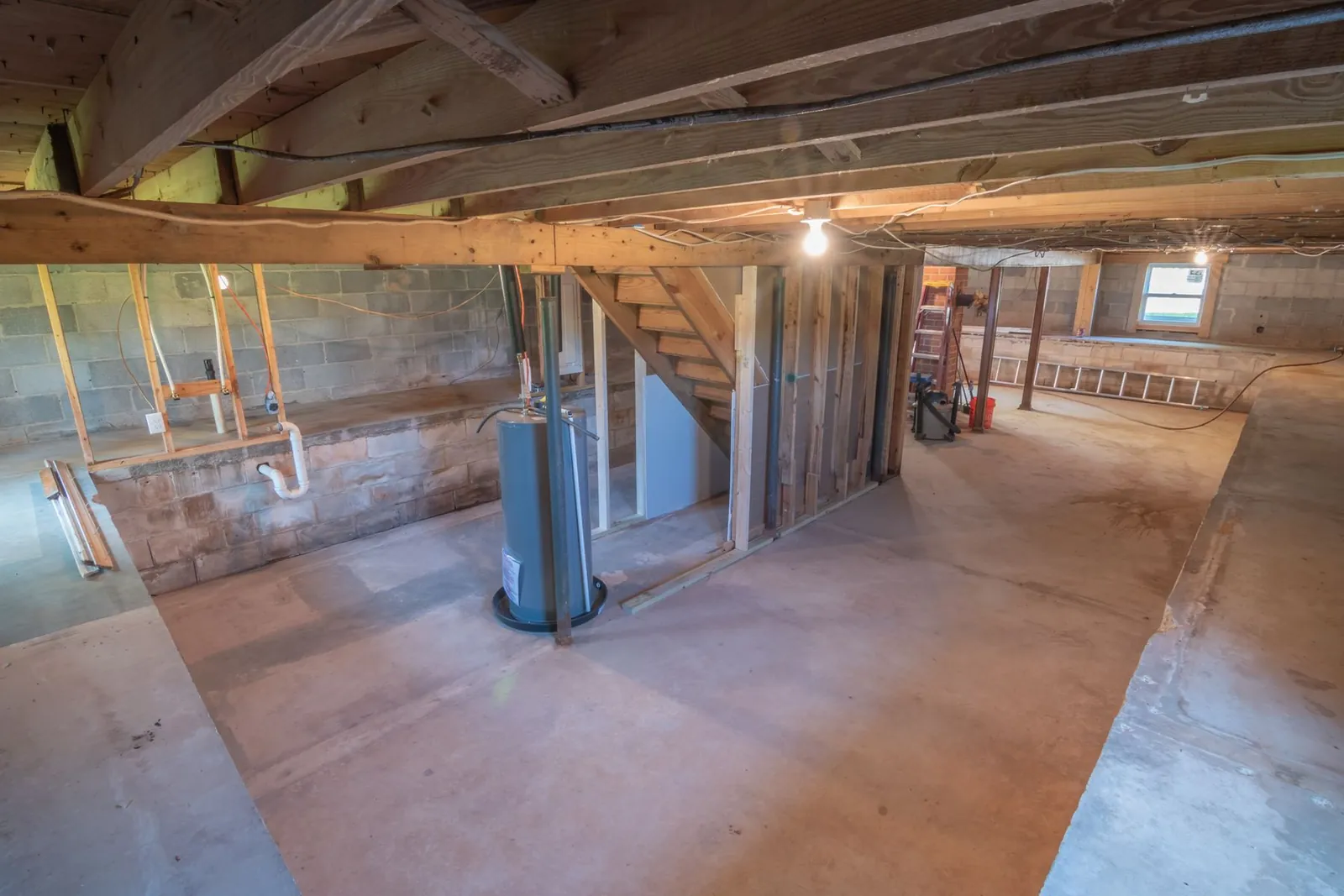 What is the New Jersey F-370 chimney verification?The F-370 is New Jersey's chimney check for a new furnace, boiler or water heater. Who can sign it, when it's due, and what happens if the flue fails.
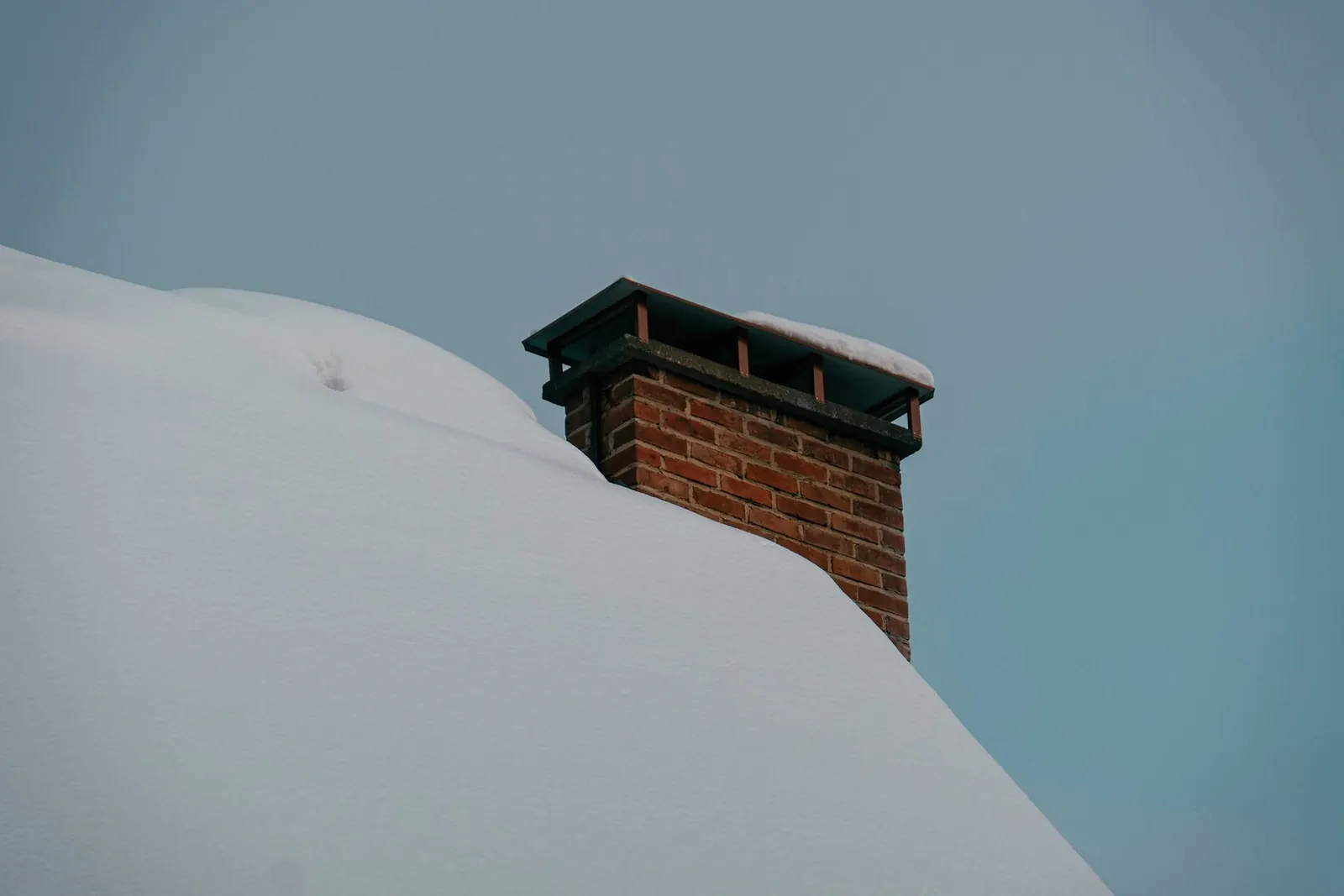 Do I need a chimney liner when I convert from oil to gas in New Jersey?Switching from oil to gas in New Jersey brings an F-370 chimney check. When the old flue still works, when it needs a liner, and what liners typically cost.
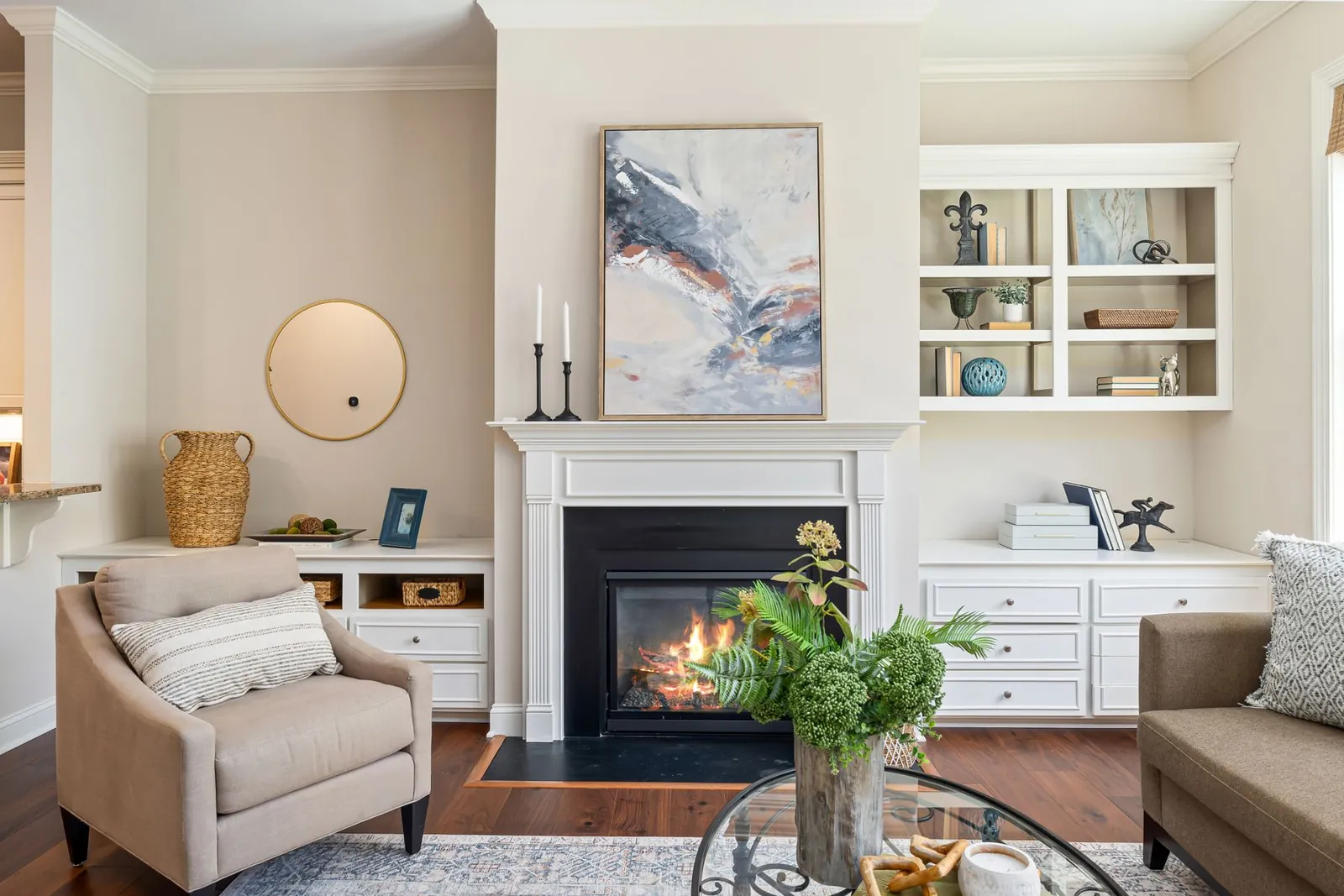 Do I need a carbon monoxide alarm if I have a gas fireplace in New Jersey?New Jersey counts a gas fireplace as a fuel-burning appliance, so the home needs CO alarms near the bedrooms. Where they go and how to keep it safe.
Book online
Pick a day. We'll bring a ladder.
Free inspection in a 3-hour window: 8 to 11, 11 to 2, or 2 to 5. We call to confirm before we arrive.