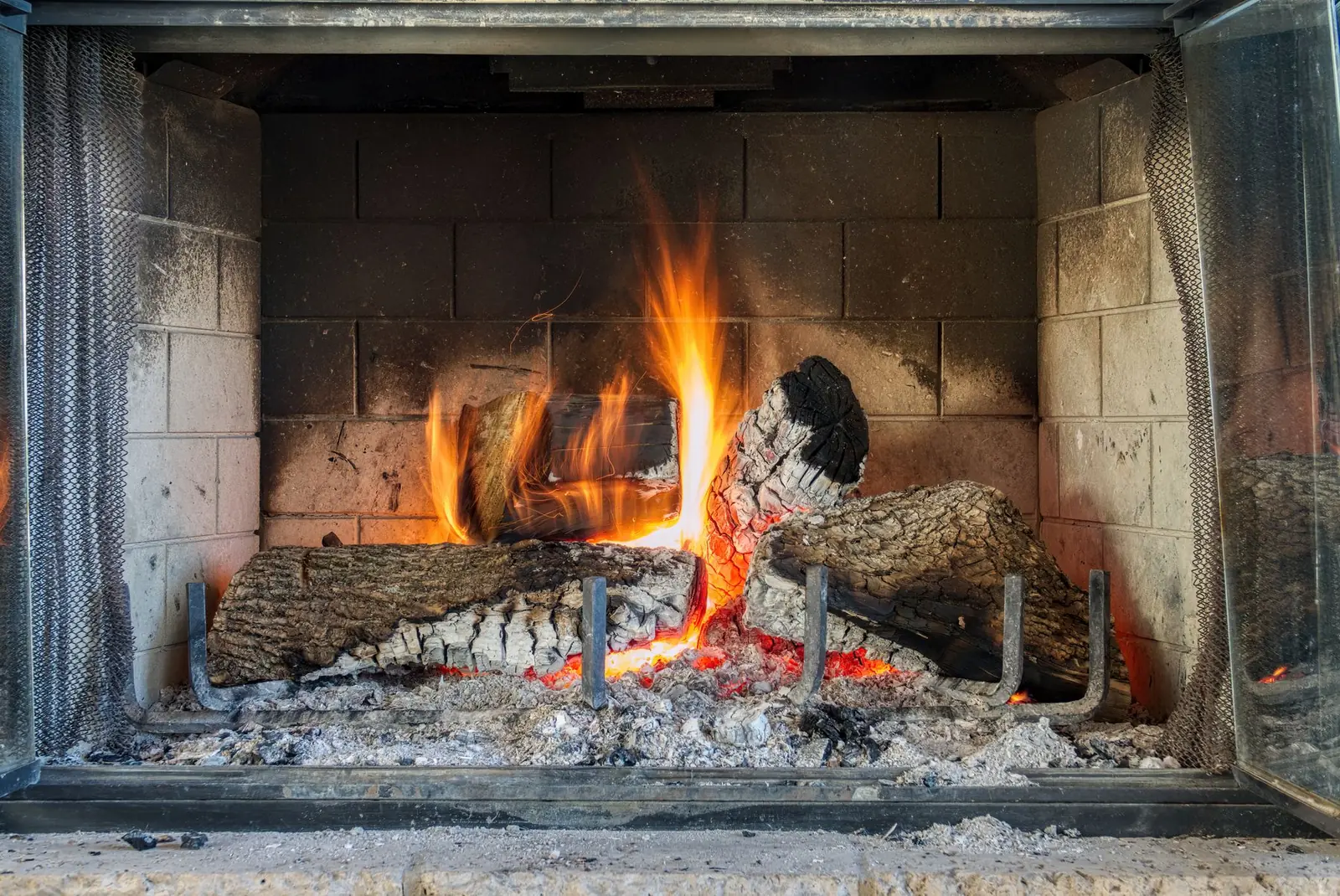
Creosote Removal for New Jersey Fireplaces and Stoves
Heavy creosote removal typically runs $400 to $900 in New Jersey. Shiny, glazed creosote takes more work and is priced at the free inspection, after we have seen how far up the flue it goes.
Creosote is what is left when wood smoke cools and condenses on the flue. A normal sweep handles the light, sooty first stage. Past that point it turns into crunchy, flaky deposits, and in the worst cases a hard, tar-like glaze that a brush simply slides over. Both later stages burn hot if they catch, which is how most chimney fires start.
In New Jersey the problem is less about long burning seasons and more about how people burn. Wood is the main heat in a very small share of homes here, so many fireplaces get occasional evening fires, often with the damper half closed to keep heat in. Those cool, short fires are exactly the ones that leave the heaviest residue.
Signs you need this
- Shiny black crust on the flue or damper
- Puffy, crunchy deposits that look like burnt cereal
- A strong tar smell in summer or on humid days
- The fire struggles to draw even with the damper open
- A past chimney fire or a loud roaring sound in the flue
How we do it
- Find the stageAt the free inspection we look up the flue and tell you whether it is a normal sweep or a removal job.
- Mechanical removalRotary tools with chains or rods break up flaky and puffy deposits from top to bottom.
- Treat the glazeGlazed sections may need a chemical treatment first and a second visit to come off fully.
- Check the flue afterOnce the flue is clear we look again for cracked tiles hidden under the buildup.
Why does creosote build up so fast in some New Jersey chimneys?
Three things usually combine. The wood is not dry enough, the fire is kept small or smoldering, and the flue is too big or too cold for the fire. A large old fireplace flue in a pre-1940 house, or an exterior chimney on a cold north wall, gives smoke plenty of time to cool before it reaches the top.
Stoves are a special case. A stove turned down low overnight, a common habit in the colder northwest of the state, makes smoke that is cool and heavy. That is why a stove flue can glaze over in a single winter.
Is glazed creosote dangerous if I stop using the fireplace?
Less so, but it does not go away. Glaze stays in the flue and can still ignite years later from a single hot fire. It also traps moisture against the tiles. If you have glaze and plan to sell, a buyer's inspector will likely write it up.
If you want to keep burning, removal is the safe path. If you want to stop burning wood altogether, a gas insert or gas logs is another route, and we can price that too once the flue is assessed.
Do I need a new liner after creosote removal?
Not always. Many flues come out clean and sound. But heavy buildup sometimes hides cracks from an earlier chimney fire. If we find cracked or missing tiles, the New Jersey fire code says an unlined chimney with open joints that would let smoke into the house must be repaired or relined.
We show you photos of what we find and give you a written price for the liner option. A stainless liner typically runs $1,500 to $5,000, depending on height and flue size.
FAQ
Creosote Removal questions
How much does creosote removal cost?
Heavy buildup typically runs $400 to $900. Glazed creosote is priced at the free inspection because the work depends on how thick it is and how far it goes up the flue.
Can I use a creosote log instead?
Those logs can loosen some deposits, but they do not remove them. The loosened material still has to come out, and they do little to a hard glaze. They are not a substitute for having the flue checked.
How do I stop creosote from coming back?
Burn seasoned, split hardwood, build smaller hot fires rather than slow smoldering ones, and open the damper fully. A flue sized for your fireplace or stove helps too.
Is creosote removal messy?
It is dustier than a normal sweep, so we seal the opening, cover the floor and run a HEPA vacuum throughout. We clean the hearth and firebox before we leave.
Will it take more than one visit?
Flaky and puffy creosote usually comes out in one visit. Glaze sometimes needs a treatment and a return trip a week or two later.
Related
Cleaning, inspections and smoke
Book online
Pick a day. We'll bring a ladder.
Free inspection in a 3-hour window: 8 to 11, 11 to 2, or 2 to 5. We call to confirm before we arrive.