Chimney Flashing Repair in New Jersey
Chimney flashing repair typically runs $300 to $1,800 in New Jersey. Resealing typically runs $300 to $600, and new step and counter flashing $800 to $1,800.
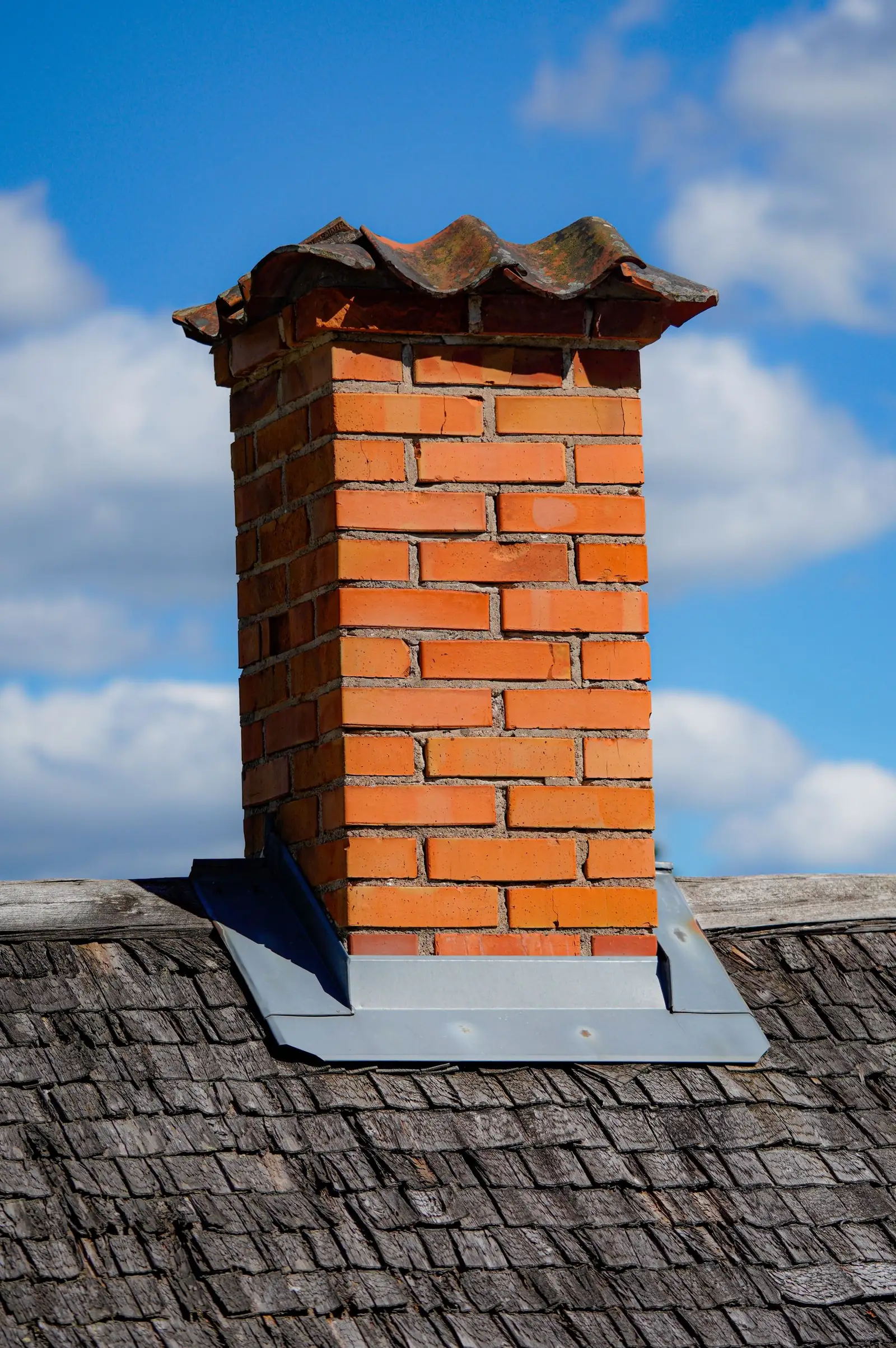
Flashing is the metal that seals the gap where the chimney passes through the roof. Step flashing is woven into the shingles along the sides, and counter flashing is cut into the brick and folded down over it. When that joint fails, water runs down the outside of the chimney into the attic and the ceiling below, often far from where it entered.
The most common failures are dried-out sealant used in place of real counter flashing, flashing that a roofer bent back and never reset, and rusted steel. At the free leak check we look at all four sides, including the uphill side where water and debris collect, and photograph what we find. We also check the attic, because water tracks on the framing often show exactly which side is failing.
Signs you need this
- Ceiling or wall stain next to the chimney
- Damp attic framing around the chimney
- Cracked or missing sealant at the roof line
- Flashing pulled away from the brick
- Rust streaks below the flashing
How we do it
- Free leak checkWe inspect the flashing on all four sides and check the attic for water tracks.
- Remove the old workFailed sealant and damaged flashing come out, and the brick joints are cut for counter flashing.
- New step and counterStep flashing woven into the shingles, counter flashing set into the mortar joints and sealed.
- Cricket if neededWide chimneys get a cricket on the uphill side so water flows around rather than pooling.
Why does flashing fail faster near the ocean?
Salt air speeds up rust on steel and attacks some metals and fasteners quickly. On homes along the Shore, steel flashing that would last decades inland can rust through much sooner, and the sealant at the top dries out under sun and wind.
Near salt water, we recommend copper or a corrosion-resistant metal and stainless fasteners. It costs a little more up front but holds up far better against salt air.
Should I fix the flashing when I replace my roof?
Yes, this is the best time. A roofer will usually reuse or bend the old chimney flashing, and that is often where the next leak comes from. New Jersey treats roof covering repair and replacement on detached one- and two-family homes as ordinary maintenance, so the roof job itself may not need a permit, but the flashing still needs to be done right.
If you are planning a new roof, call us before the roofer arrives. We can install new step and counter flashing while the shingles are off, which avoids tearing up a new roof later.
Is a stain by the chimney always a flashing problem?
No. A leak next to the chimney can come from a cracked crown, an uncapped flue, porous brick, or even a roof problem a few feet away. Water follows the framing and can show up some distance from where it got in.
We check the crown, the cap, the brick and the flashing before we say which one is the source. If the flashing is fine, we tell you, and point you to the actual cause rather than replacing metal that is not leaking.
FAQ
Chimney Flashing Repair questions
How much does chimney flashing repair cost?
Resealing existing flashing typically runs $300 to $600. New step and counter flashing typically runs $800 to $1,800, depending on the chimney width and roof type.
Can I just add more caulk?
Caulk is a short-term patch. It dries and cracks within a year or two in the sun. Proper counter flashing set into the mortar joints lasts far longer.
What is a chimney cricket?
A small peaked section built on the uphill side of a wide chimney so water and leaves flow around it instead of pooling against the brick.
Do you work on slate or tile roofs?
Tell us your roof type when you book. Slate, tile and some metal roofs need extra care around the chimney, and we price that at the inspection.
Is flashing repair messy inside the house?
No. The work is done on the roof, and we only go into the attic to check for water tracks.
Related
Masonry, leaks and rebuilds
Book online
Pick a day. We'll bring a ladder.
Free inspection in a 3-hour window: 8 to 11, 11 to 2, or 2 to 5. We call to confirm before we arrive.