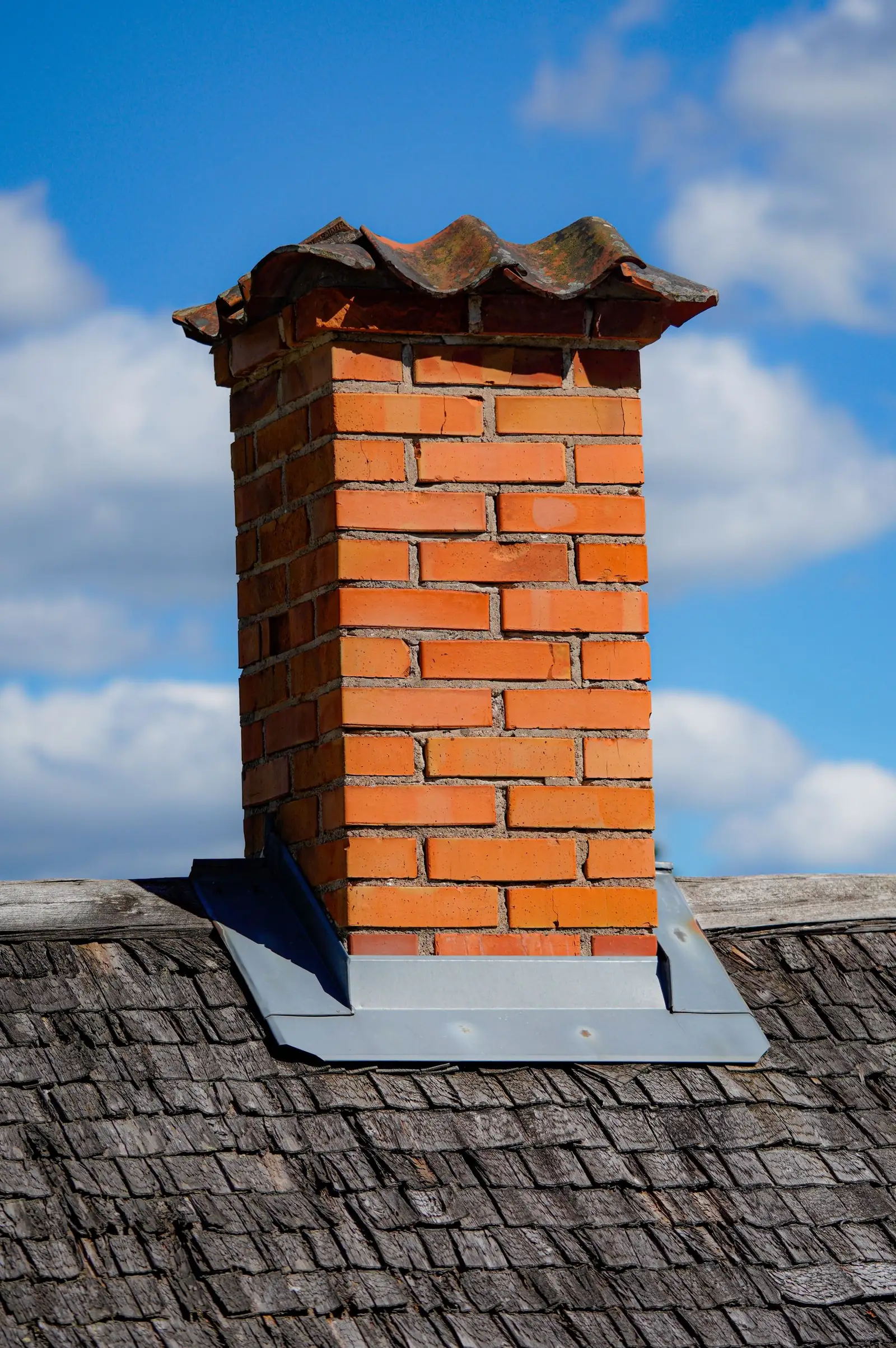
Is it a chimney leak or a roof leak?
Look at where and when it drips. Water in the firebox or on the damper points to the cap, crown or flue. A wet ceiling or wall right beside the chimney, worst in wind-driven rain, points to flashing. Stains well away from the chimney usually mean the roof itself.
New Jersey Chimney Co. · October 15, 2026
Why New Jersey chimneys leak
A chimney is a tall stack of brick and mortar that sits above the roof and takes weather from every side. New Jersey gives it plenty. NOAA's 1991–2020 normals show 52 inches of precipitation a year at Toms River, about 46 at Newark and Atlantic City, and freezing nights ranging from about 72 a year at Cape May to 142 at Newton in Sussex County.
Water alone is slow. Water plus freezing is fast. When rain soaks into a crack or porous brick and freezes overnight, it expands and opens the crack a little wider. Repeat that a hundred times a winter and a hairline crack in a crown becomes a path for water into the house.
Five places water gets in
Almost every chimney leak we find comes through one of these, and more than one is common.
- No cap, or a damaged one: rain falls straight down the flue into the firebox.
- A cracked crown: the concrete or mortar slab on top of the chimney sheds water until it cracks, then lets it in.
- Brick and mortar: worn joints and spalled, flaking brick soak up rain like a sponge.
- Flashing: the metal that seals the joint between chimney and roof loosens, rusts or was sealed with caulk alone.
- The roof next to the chimney: worn shingles or underlayment, which shows up as a chimney leak because it is right beside it.
Clues inside the house
Where the water shows up is the most useful clue you have. Water in the firebox, a rusty damper or wet ash points high up: the cap, crown or the flue itself. Damp patches on the chimney breast, peeling paint or a musty smell point to water moving through the masonry. A stain on the ceiling or wall that hugs the side of the chimney, especially after wind-driven rain, is the classic flashing leak. A stain several feet away from the chimney is most often the roof.
Two more signs. White, chalky staining on the brick, called efflorescence, is salt left behind by water moving through the masonry. And a fireplace that smells strongly of old smoke when it rains usually means moisture in the flue mixing with creosote.
Safe checks from the ground
You do not need to go on the roof, and we would rather you didn't. With binoculars, after a rain, look at the top of the chimney: is there a cap, are there cracks in the crown, is the brick darker in patches that stay wet longest? Look where the chimney meets the roof: is the flashing tight against the brick, or is there caulk smeared over gaps? Note whether the leak shows up in every rain or only with wind from one direction. That last detail helps a lot at the inspection.
Inside, check the attic if you can reach it safely. Look at the wood around the chimney where it passes through the roof deck: dark staining, damp insulation or rusty nails on that side point to flashing or the roof, while a dry attic with a wet firebox points back up to the cap or crown. Take photos with dates. A leak that comes and goes is much easier to trace when we can see where it showed up last time.
What the fixes typically cost in New Jersey
Leak repairs in New Jersey typically run $300–$2,500, depending on the cause. A new cap is typically $250–$850, flashing $300–$1,800, crown work $600–$2,200, repointing $500–$2,500 and a breathable water repellent on the brick $300–$800. The repellent only belongs on the chimney after cracks and flashing are fixed; sealing over a leak just hides it.
Our inspection is free and includes a leak check, photos and a written price before any work. We work Sunday through Friday in three-hour windows.
Roofer or chimney company?
Flashing sits between the two trades, which is why leaks there bounce back and forth. If you are re-roofing, have the chimney flashing replaced at the same time rather than reusing old metal, and have the crown and brick checked while the roof is open. Under N.J.A.C. 5:23-2.7, roof covering repair and replacement on detached one- and two-family homes is ordinary maintenance, so coordinating the two jobs is usually a matter of scheduling, not paperwork.
FAQ
More answers
Does homeowners insurance cover a chimney leak?
It depends on your policy and on whether the damage was sudden or from long-term wear. One City-Data poster's insurer covered repairs found by a camera inspection. Call your insurer with photos.
Can I just seal the brick to stop the leak?
Only after the cap, crown and flashing are sound. A water repellent helps brick shed rain, but it will not stop water coming in through a crack or failed flashing.
Should I fix a small leak before winter?
Yes. Freeze-thaw makes small cracks bigger every cold night, so a leak that costs a few hundred dollars in the fall can turn into masonry repair by spring.
Keep reading
More from the blog
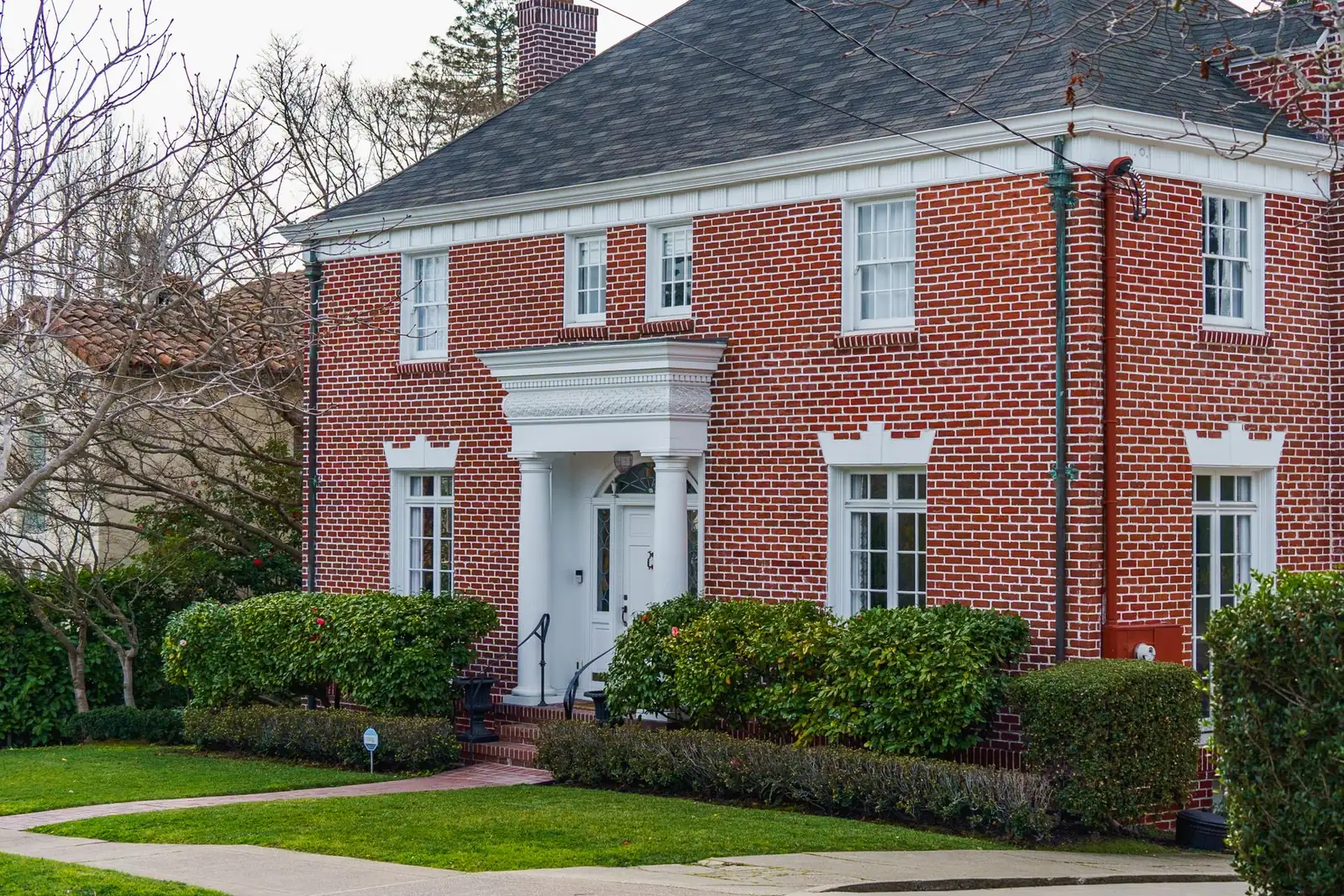 Does New Jersey require a chimney inspection to sell a house?No. New Jersey's sale certificate covers smoke alarms, CO alarms and a fire extinguisher, not the chimney. What sellers and buyers should do instead.
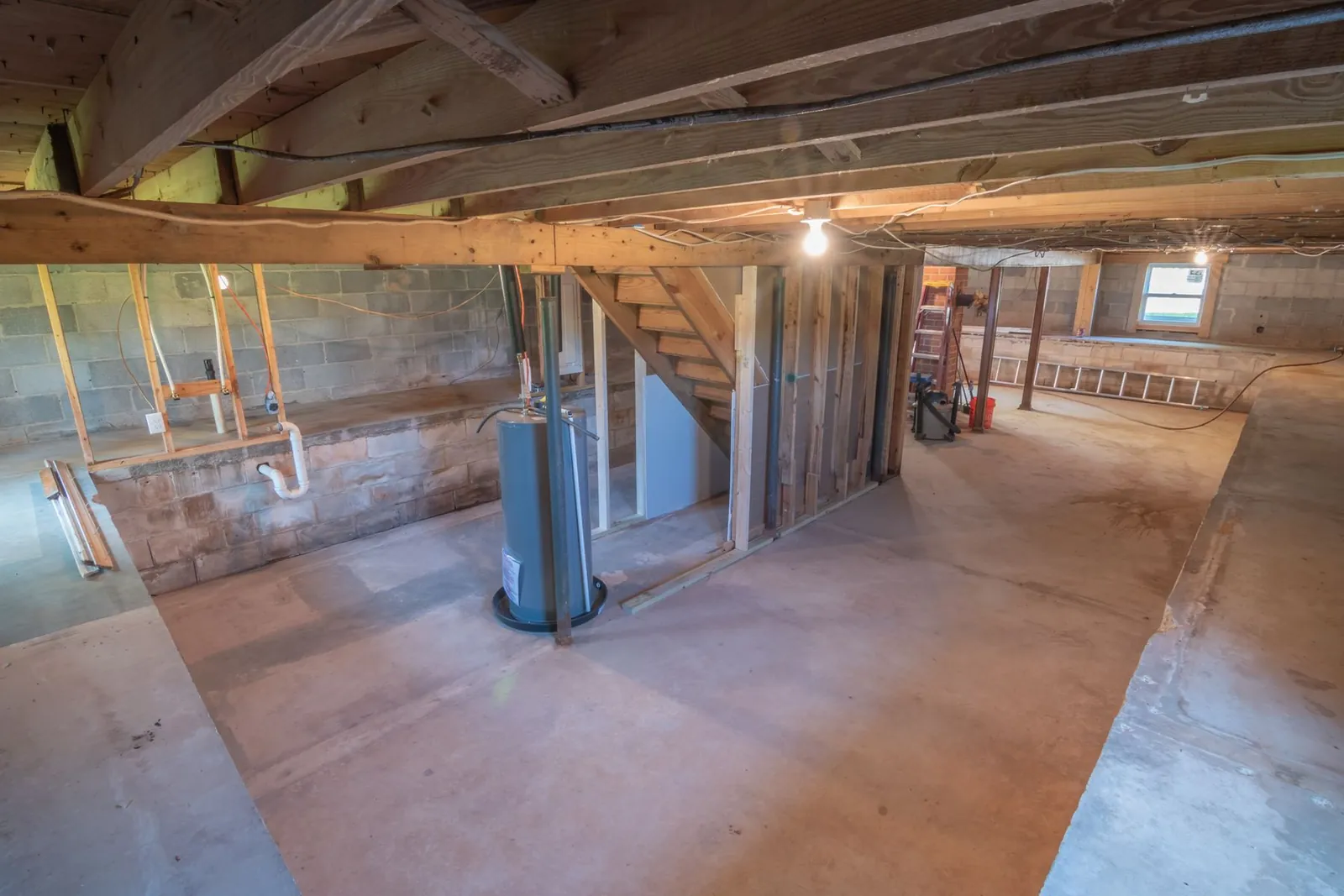 What is the New Jersey F-370 chimney verification?The F-370 is New Jersey's chimney check for a new furnace, boiler or water heater. Who can sign it, when it's due, and what happens if the flue fails.
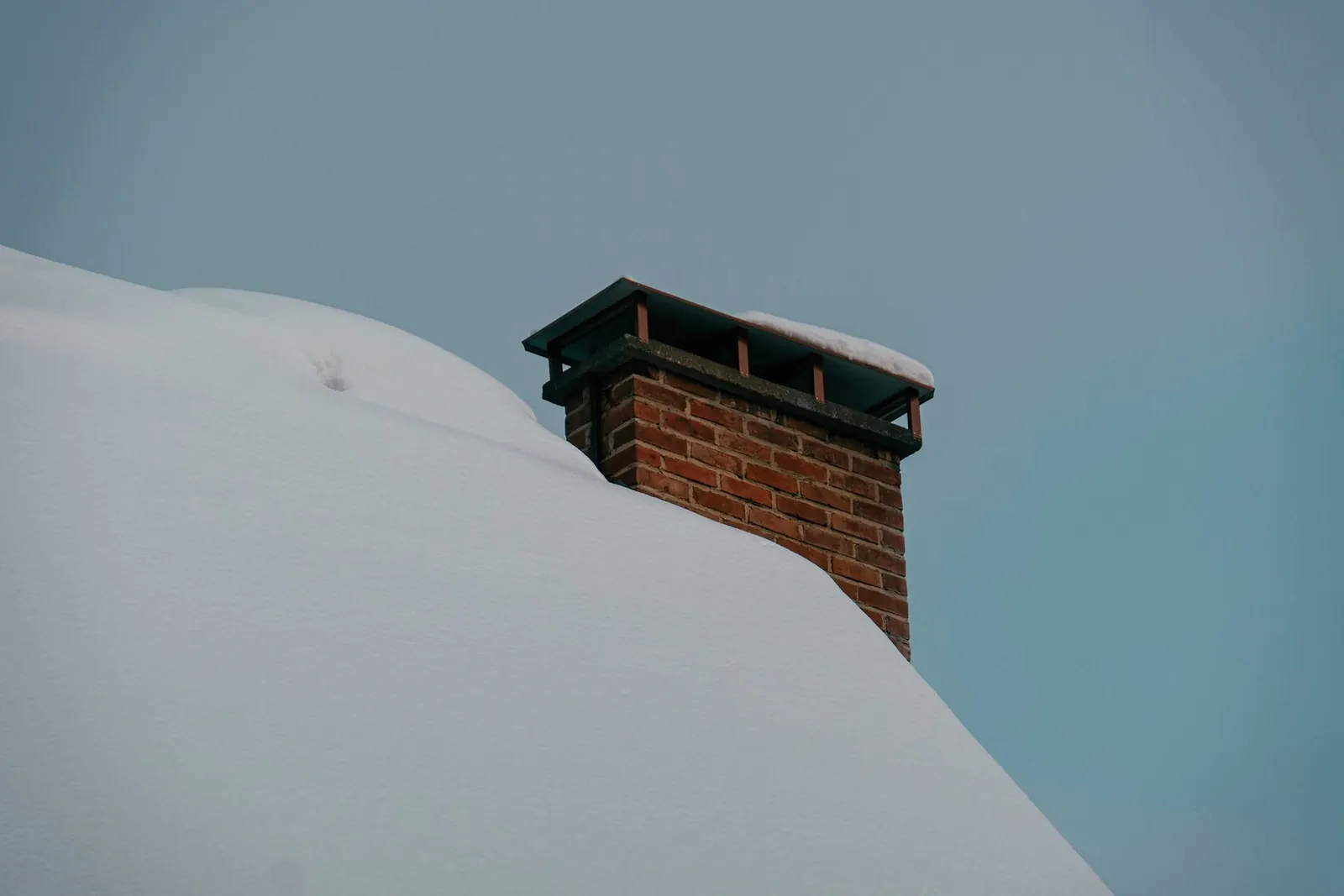 Do I need a chimney liner when I convert from oil to gas in New Jersey?Switching from oil to gas in New Jersey brings an F-370 chimney check. When the old flue still works, when it needs a liner, and what liners typically cost.
Book online
Pick a day. We'll bring a ladder.
Free inspection in a 3-hour window: 8 to 11, 11 to 2, or 2 to 5. We call to confirm before we arrive.